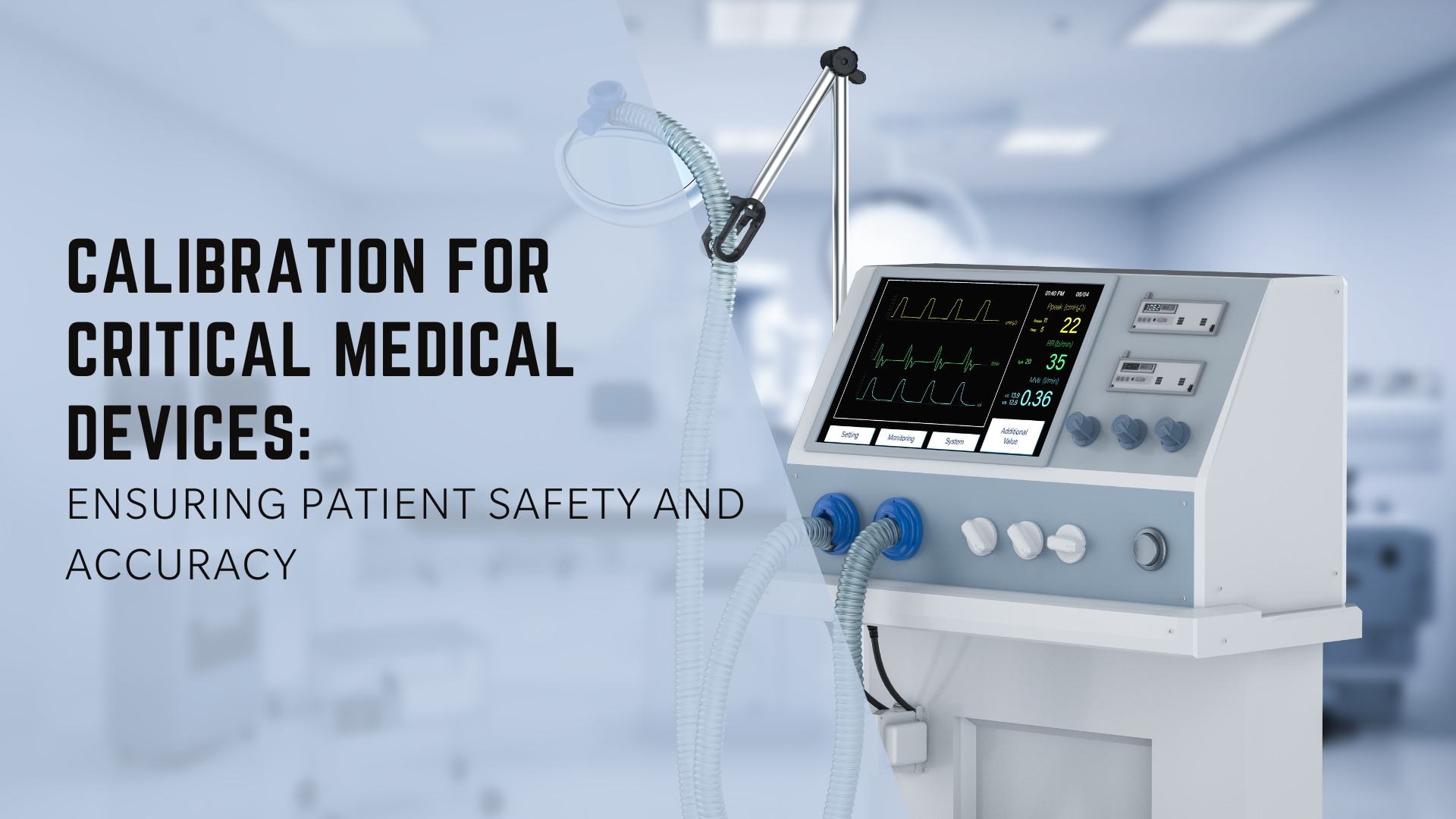
Medical device calibration has become a significant aspect of patient safety and accuracy in the world of medical technology. Every medical instrument must work with high tolerances to produce the required accurate readings or to ensure safe treatments. To ensure accurate and safe operation, it is important to calibrate medical devices properly.
Roots Metrology, your one-stop solution for biomedical calibration, provides accuracy and precision for critical medical measurement systems. Our biomedical calibration services are a solution to a wide range of measuring instrument calibration. Our expert engineers bring years of experience to keep your measurement instruments and test equipment in perfect working condition and compliance with all necessary regulatory standards, thereby helping you to save time, money and, more importantly, patient lives.
Medical device calibration is a process of adjusting and testing medical devices to ensure that they work within the defined accuracy. The measurement devices tend to drift away from their best calibration values with time because of many factors, such as normal wear and tear, environmental conditions, or variations in the power supply. This can lead to inaccurate readings and can put patients’ lives at risk.
To ensure patient safety and reduce the risk of harm due to inaccurate readings, healthcare facilities and medical device manufacturers must perform regular checks to calibrate medical devices, be it the patient safety calibration of MRI machines or the accuracy of infusion pumps.
A properly calibrated medical device allows health care professionals to have an accurate and reliable reading, which will assist in making a sound medical decision regarding treatment for the patient. For this reason, biomedical calibration has an essential role in the safety and welfare of patients. The calibration of medical devices ensures that each device has been evaluated and calibrated to strict industry and regulatory standards. By following strict calibration measures, manufacturers greatly reduce the opportunity for error in the diagnosis and treatment process.
Both health care providers as well as medical device manufacturers face the consequences of having improperly calibrated medical devices. Proper medical device calibration must take place in the manufacturing process to ensure that the device complies with applicable industry standards and the appropriate regulatory requirements. Proper medical device calibration during the manufacturing process additionally contributes to the assurance of the safety of the medical device as well as the assurance that it performs its intended function.
Critical medical measurement systems require frequent and precise calibration. Some of the top medical devices that require regular calibration include:
The benefits of medical device calibration go beyond accuracy and include:
At Roots Metrology, our biomedical calibration process is comprehensive and customized to each device’s specific needs. Here’s what you can expect from our typical calibration process:
1. How often should medical devices be calibrated?
The frequency of medical device calibration depends on the type of device and its usage. Critical devices such as ventilators or infusion pumps may require more frequent calibration, while other devices may only need calibration every six months or annually.
2. Is calibration required for all medical devices?
While not all medical devices require calibration, many essential devices, especially those involved in diagnosing or treating patients, must undergo regular calibration to ensure accuracy and patient safety.
3. Can calibration be done on-site?
Yes, many calibration services, including biomedical calibration, can be performed on-site by trained professionals. However, some devices may need to be sent to a specialized calibration facility for more complex calibration procedures.
4. What happens if a medical device is not calibrated?
If a medical device is not calibrated properly, it may give inaccurate readings, potentially leading to incorrect diagnoses or improper treatments. This can jeopardize patient safety and lead to legal and regulatory issues for healthcare providers.
5. How does calibration improve patient safety?
Patient safety calibration ensures that devices perform within the correct accuracy range, minimizing the risk of misdiagnosis, incorrect treatments, and potential harm to patients.
As a medical device manufacturer or healthcare provider, it is essential that all medical devices are calibrated accurately in order to provide accurate and reliable results, which very much affects patient safety and the overall quality of care provided by the healthcare provider.
Roots Metrology provides expert calibration for all types of medical measurement devices. All devices we calibrate are subjected to the highest standards of accuracy and compliance, ensuring that patient safety is maintained and the quality of care is improved.
