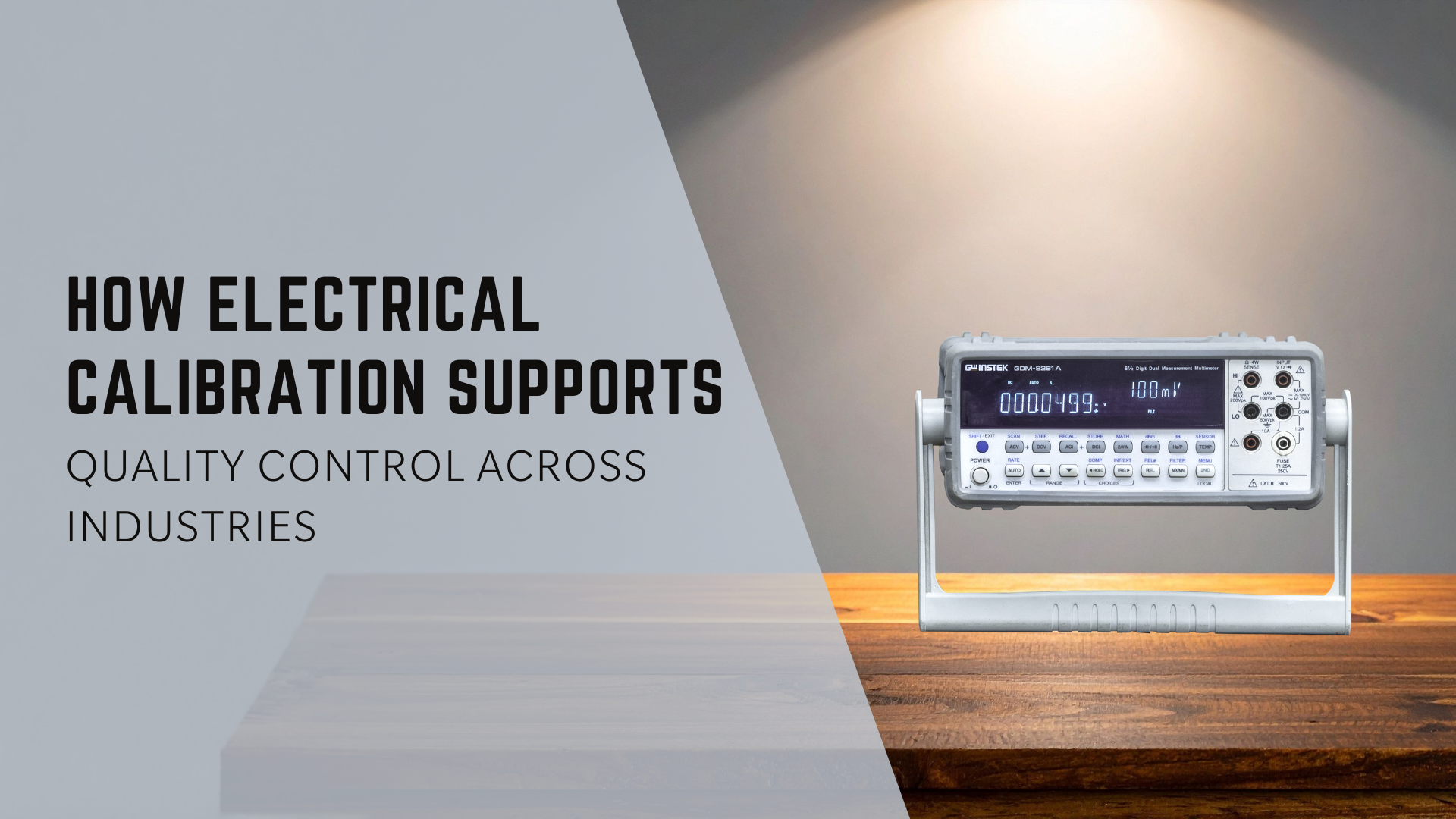
In today's highly competitive industrial landscape, maintaining the accuracy and reliability of electrical equipment is essential for ensuring consistent product quality, safety, and compliance. This is where electrical calibration plays a pivotal role. Calibration ensures that the instruments used in critical processes are operating within their specified tolerances, thereby preventing costly errors and maintaining operational efficiency.
Whether you're in the manufacturing, aerospace, healthcare, or automotive sector, understanding how electrical calibration impacts quality control is crucial for optimizing your production processes. In this blog, we'll delve into the importance of electrical calibration, how it supports quality control, and why working with a trusted calibration lab like Roots Metrology is essential for your facility.
Electrical calibration is the process of testing electrical instruments to ensure accuracy. This could include multimeters, ammeters, oscilloscopes, voltmeters and more. During electrical calibration, a device is checked to ensure it’s providing accurate measurements of electrical currents. This includes voltage, amps, ohms, and frequency.
Keeping your electrical instruments calibrated is vital for many reasons. If your measurements are off, this can lead to faulty products, hazardous working conditions, or even non-compliance with certain regulations. That is why it’s crucial to invest in quality calibration services and always maintain your equipment using proper calibration techniques.
Maintaining quality control can be a difficult task. One way to ensure your production standards are met is by utilizing electrical calibration. Here are just a few of the ways electrical calibration can benefit your quality control efforts.
1. Prevents Costly Mistakes
No one wants to produce a faulty product. But when your instruments are miscalibrated, this is exactly what’s going to happen. Electrical calibration allows you to double-check that all of your instruments are properly measuring. Not only will this help you produce a quality product every time, but it will reduce waste from reworking defective products.
2. Reduce Equipment Failures
Does your facility lose a lot of production time due to equipment failures? Wrong readings can cause major equipment failures. If you have a thermometer or pressure gauge that is miscalibrated, it may not be able to detect faulty machinery. Electrical calibration can ensure that all of your instruments are properly identifying potential issues.
3. Stay Compliant
Regulations change often, and this can be difficult to keep up with on your own. A calibration lab like Roots Metrology stays up-to-date with all industry regulations, ensuring your business never falls out of compliance.
4. Improve Efficiency
Let’s face it; industry mistakes can be costly. Not only do they waste time and materials, but they also cost your business large sums of money that could be used somewhere else. By using electrical calibration, you can improve your overall operational efficiency by limiting the chances of these costly errors.
Of course, every industry that uses electrical equipment can benefit from electrical calibration. However, there are specific industries that require frequent electrical calibration for unique reasons.
Here are a few industries that frequently use electrical calibration.
1. Manufacturing Industry
All manufacturing facilities can benefit from electrical calibration. Parts used on assembly lines, machinery, and even automated systems need to function properly to maintain an efficient production line. Electrical calibration also comes in handy when your business is manufacturing technical components.
2. Aerospace & Defense
When working with aerospace and defense products, you know that there is little room for error. Electrical calibration will ensure that your company’s electrical instruments are working correctly. You never want to cut corners with safety or reliability.
3. Healthcare
Even the smallest mistake can cost lives in the healthcare industry. That is why it’s vitally important to use electrical calibration when working with medical equipment. Benefits include ensuring that your ECG machine, x-ray machine, and even infusion pumps are providing your patients with accurate readings.
4. Automotive Industry
Automotive manufacturers use electrical calibration when building and testing the electrical components of vehicles. This may include calibrating sensors, ECU’s (electronic control units), and even battery management systems.
For many businesses, working with a trusted calibration lab is the best way to ensure that their equipment stays in top working condition. Calibration labs like Roots Metrology provide professional services that help companies achieve precise electrical calibration.
Expert Technicians: A calibration lab employs highly trained technicians who specialize in the calibration of electrical instruments. They have the knowledge and tools necessary to perform accurate calibration.
Advanced Equipment: Calibration labs are equipped with state-of-the-art tools and equipment that provide precise calibration across a wide range of electrical instruments. These labs have the capability to perform calibration to industry standards that may not be achievable with on-site calibration.
Faster Turnaround: Working with a calibration lab often results in quicker turnaround times, especially for smaller and more portable devices. This ensures minimal downtime and keeps your production processes on track.
Comprehensive Reports: After the calibration process, a calibration lab typically provides a comprehensive report detailing the adjustments made and the resulting accuracy levels. This documentation is crucial for regulatory compliance and quality assurance purposes.
Frequently Asked QuestionsWhy is electrical calibration important for quality control?
Electrical calibration helps ensure that your electrical instruments are accurate. Accurate instruments lead to fewer mistakes, less equipment failure, and overall better quality control.
How often should I calibrate my equipment?
This all depends on the type of equipment and how often it is used. If you have instruments that are used very often, you should look to calibrate them more frequently. For most critical instruments, we recommend calibration every 6-12 months.
Can electrical calibration be done on-site, or do I have to send my equipment to a calibration lab?
Electrical calibration can be done both on-site as well as at a calibration lab.
Why should I send my electrical equipment to a professional calibration lab?
Roots Metrology has years of experience in electrical calibration. We have the tools and equipment to provide you with the most accurate electrical calibration possible.
What industries can use electrical calibration?
Any industry that uses electrical equipment can benefit from electrical calibration. However, some industries include manufacturing, aerospace and defense, healthcare, and automotive.
Electrical calibration ensures that your electrical instruments are accurate and ready to be used on the job. By properly maintaining your electrical equipment, you can improve quality control and limit the chance of any defects.
No matter your industry, electrical calibration is important to your business. When you work with Roots Metrology, you can trust we’ll do everything we can to provide you with the most accurate calibration possible. Contact Roots Metrology today and see why thousands of customers choose us for all their calibration needs!
